
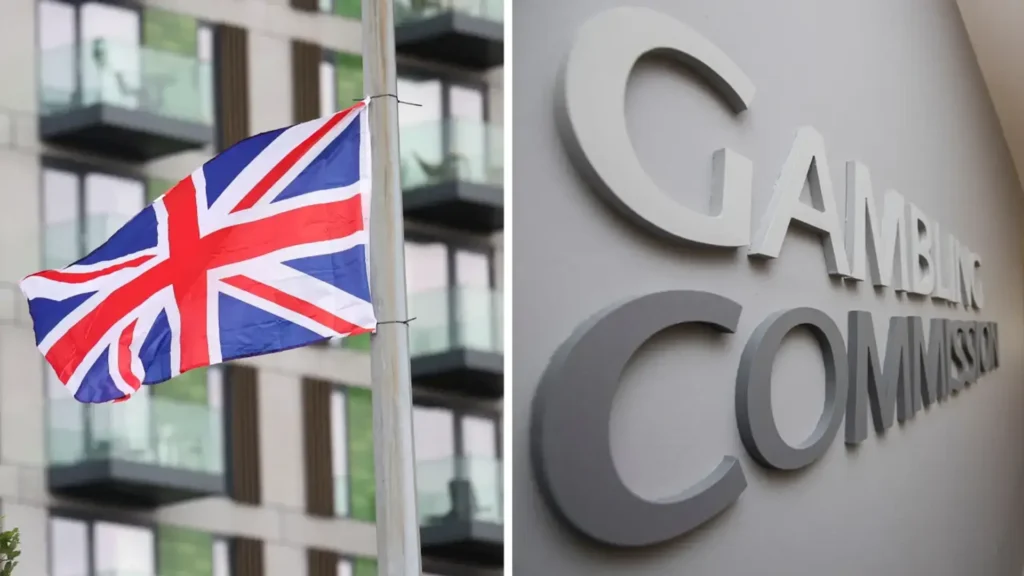
The UK government has opened a consultation on proposed updates to the licensing fees charged by the UK Gambling Commission (UKGC). At first glance, this may appear to be a technical issue affecting only operators and regulators. In reality, changes to licensing costs can have broader knock-on effects for communities, local businesses, and players across the UK.
Below is a clear breakdown of what’s being proposed, why it’s happening now, and what it could mean in practice.
The consultation outlines revisions to the fees that gambling businesses pay for licences and ongoing regulatory oversight. The principle is simple: fees should better reflect the real cost of regulating a modern gambling market.
Three options are on the table:
- Option 1: A flat 30% increase in operating licence fees
- Option 2: A 20% increase
- Option 3: A 20% increase plus an additional 10%, ringfenced specifically for tackling illegal gambling and protecting the revenues of licensed operators
The government has signalled a preference for Option 3, while the Gambling Commission itself has leaned toward Option 1. Any final decision would be implemented through secondary legislation, with a target start date of 1 October 2026.
In practical terms, the changes would involve:
- Reviewing existing fee bands across the gambling sectors
- Updating application and annual licence costs
- More closely matching fees to the level of compliance and enforcement work required
Importantly, the UKGC operates on a cost-recovery basis. It does not receive funding from general taxation; instead, its work is funded almost entirely by the fees paid by licensed operators. The consultation suggests current fees may no longer fully cover regulatory costs as responsibilities have expanded.
Gambling regulation has grown more complex over the past decade. Online gambling sites, mobile betting, and digital marketing require specialist monitoring, data analysis, and enforcement expertise.
At the same time, political and public focus on gambling harm has intensified. Calls for stronger consumer protections, tougher enforcement, and clearer accountability have increased expectations of the regulator. As oversight demands rise, so do operational costs.
For local communities, this matters because the same regulatory standards apply whether someone is visiting a high-street betting shop or engaging with online casino promotions. Well-funded regulation supports fair play, responsible advertising, and player protection.
Large national gambling brands are likely to absorb higher licence fees at a corporate level. Smaller operators, however, could feel the impact more directly, particularly in a competitive market.
That doesn’t automatically mean closures or job losses. The consultation does not suggest a sudden or dramatic change. Instead, higher annual fees may prompt budget reviews and operational adjustments over time.
Some operators may attempt to offset costs indirectly, for example, through changes to promotions or incentives. However, any widespread consumer impact remains speculative at this stage.
A few points are worth clarifying:
- Higher fees don’t automatically mean tougher player restrictions. Fees fund regulation; they don’t dictate future policy decisions.
- This is not an anti-gambling move. The consultation focuses on funding mechanics, not prohibition or major legal reform.
- It’s not a new tax on players. Any consumer impact would be indirect and depend on how businesses respond.
- The focus is governance, not punishment. The UK model relies on operators funding effective oversight of their own industry.
Online growth, higher consumer expectations, and increased regulatory scrutiny are reshaping the market. Adjusting licence fees sits within that wider context and reflects the reality that regulation must adapt as the industry changes.